
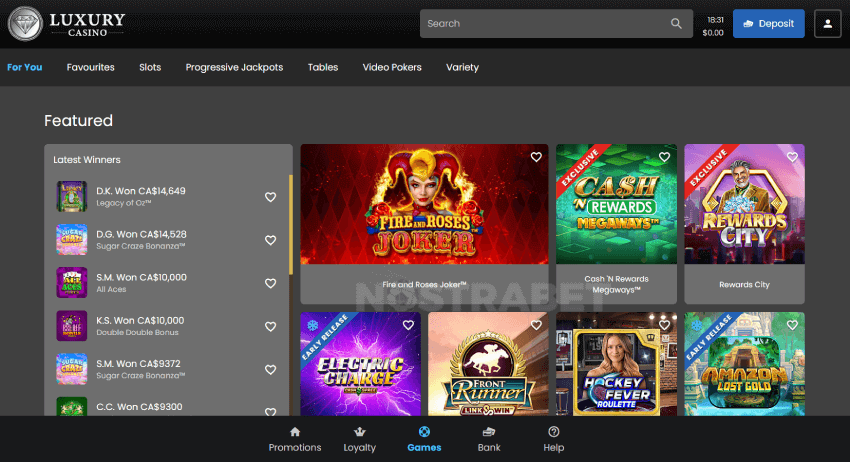
Mobile gambling is easy to fit around everyday life, but that convenience can also make it difficult to notice how quickly time, deposits, or losses are accumulating. Before using the lussurio casino login, Canadian players should decide which controls matter most, where those controls are found, and what to do if normal limits no longer feel sufficient. The aim is not to predict results or make gambling risk-free. It is to create practical friction between an impulse and the next wager, especially when using a phone or tablet.
Why mobile play can weaken your usual boundaries
A mobile browser keeps gambling close at hand during commutes, breaks, evenings, and other moments when attention is divided. That convenience can blur the difference between planned entertainment and unplanned play. A short session may become several sessions, while a quick attempt to recover a loss can turn into larger or more frequent deposits. Notifications, saved credentials, and a familiar screen can further reduce the pause that might occur when using a shared desktop computer.
The first useful step is to identify your personal warning signs rather than relying on a generic definition of risky gambling. These may include checking games repeatedly, hiding the amount spent, borrowing money, gambling when upset, cancelling plans, or continuing after deciding to stop. None of these signs proves that a person has an addiction, but they do indicate that a more deliberate control is appropriate. Waiting until losses feel serious often makes limits harder to accept.
Consider writing down three boundaries before opening a casino account or beginning a session: the maximum amount you can afford to lose, the maximum time you will spend, and the behaviour that means you will stop completely. The money should come only from a leisure budget, never rent, debt repayments, food costs, or emergency savings. Treat the plan as a fixed entertainment expense, not as a temporary loan that winnings are expected to replace.

Which account controls are worth setting first?
The available account controls are designed for different problems, so using the right one matters. A deposit limit restricts how much money can be added over a chosen period. A loss limit focuses on the amount lost, while a wagering limit may restrict the total amount staked. These are not interchangeable. Someone who deposits small amounts repeatedly may need a deposit cap, whereas someone who keeps playing after losses may need a loss or session limit.
Time-based controls can be useful when mobile play tends to continue unnoticed. A session limit or reality check can interrupt a long period of gambling and prompt you to review how long you have been active. If the service offers a cooling-off period, it can provide a temporary break without requiring a permanent decision. Self-exclusion is stronger: it is intended to prevent access for a selected period and should be considered when ordinary limits are repeatedly overridden.
Set controls before depositing, not after an emotional session. Use conservative figures that leave room for ordinary expenses, and avoid increasing them simply because a limit feels inconvenient. Check whether a control applies immediately or only after a delay, and read the stated terms for how changes are handled. If the account area does not clearly explain a tool, ask support what it does, when it takes effect, and whether it covers every type of play.
How should a phone be configured for safer sessions?
Account limits work better when they are supported by device-level habits. Remove casino shortcuts from the home screen, disable promotional notifications, and avoid saving payment details if doing so makes deposits too effortless. Logging out after a session creates an extra decision point. A separate banking alert can also show when money leaves an account, helping you notice activity that might otherwise blend into routine phone use.
Time controls should be practical rather than aspirational. Use the phone’s screen-time settings to restrict access during work, study, sleep, or family hours. Keep gambling away from places where you normally relax, such as bed or the dining table, because pairing a game with a routine can make the behaviour automatic. Never gamble while driving, working with machinery, caring for a child, or consuming anything that affects judgement.
Privacy and security are part of responsible mobile use as well. Use a strong, unique password and protect the phone with a passcode or biometric lock. Do not allow another person to use your account, and do not create duplicate accounts to get around a restriction. Public Wi-Fi can create security concerns, particularly when entering identity or payment information. For broader Canadian guidance on gambling-related harms and support, the Responsible Gambling Council’s public resources provide a useful starting point.
What should you check before relying on a limit?
A limit is only useful if you understand its scope. Review whether it applies to deposits, losses, wagers, or time, and whether the period is daily, weekly, or monthly. Also check whether it covers mobile browser access as well as any other access route associated with the account. The available material describes deposit, wagering, loss, session, reality-check, cooling-off, and self-exclusion tools, but the exact operation of each control should be confirmed in the account terms.
Do not assume that a promotional offer makes a limit more generous or that a bonus balance represents disposable money. Bonus conditions can encourage continued play, and promotional funds may have wagering requirements or category restrictions. A responsible approach is to treat bonuses as optional and avoid depositing solely to unlock one. If accepting an offer makes it harder to stop, declining or cancelling it may be the more useful decision.
Keep independent records of deposits, withdrawals, session length, and the reason for playing. Compare the record with your original plan rather than judging the session only by its final balance. If a withdrawal is pending, an identity review is incomplete, or account access becomes restricted, do not respond by making additional deposits or opening another account. Contact the stated support channel, keep relevant messages, and wait for clarification instead of escalating the situation through more gambling.
When is a break no longer enough?
A short break can help when gambling has become untidy but remains under control. A stronger response is appropriate when you repeatedly exceed limits, chase losses, conceal activity, borrow money, feel distressed when unable to gamble, or use gambling to manage anxiety or low mood. These signs call for distance from the activity, not a new strategy or a larger budget. Self-exclusion and payment restrictions can create practical protection while you seek support.
Tell a trusted person what is happening and ask for specific help, such as reviewing bank statements, holding a budget, or removing access to spare funds. Consider contacting a qualified counsellor or a Canadian gambling-support service. Support is not reserved for people who have lost a particular amount; difficulty stopping is enough reason to ask for assistance. If gambling is connected to thoughts of self-harm or an immediate crisis, contact emergency services or a crisis service without delay.
Once a self-exclusion or cooling-off period begins, do not treat it as a challenge to work around. Avoid alternative accounts, other operators, or borrowed payment methods. Use the time to address triggers, make a debt plan if needed, and replace gambling with activities that provide structure without financial risk. Returning should never be automatic when a break ends. Review what caused the pause and decide whether continued exclusion is safer.
Questions about safer mobile gambling controls
Can a deposit limit prevent gambling losses entirely?
No. A deposit limit controls money added to one account, but it may not cover other accounts, existing balances, or funds borrowed elsewhere. It should be combined with a realistic leisure budget, device boundaries, and honest record-keeping. If you keep trying to bypass it, self-exclusion and outside support are more appropriate.
Is a cooling-off period the same as self-exclusion?
Not necessarily. A cooling-off period is generally a temporary pause, while self-exclusion is intended as a stronger restriction for a selected period. The exact duration, access rules, and cancellation process depend on the operator’s terms. Read those terms carefully and contact support if the distinction is unclear.
What should I do after breaking my own limit?
Stop gambling rather than trying to recover the amount immediately. Record what happened, withdraw from promotional activity if appropriate, and activate a longer break or self-exclusion. Tell someone you trust and seek specialist support if this is recurring. A broken limit is useful information about the strength of your current safeguards.