
Understanding the psychological triggers that influence casino behavior
The Allure of Casino Design
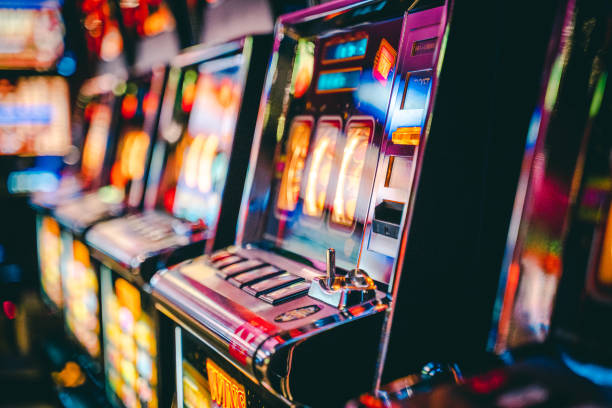
The design of a casino is meticulously crafted to engage and stimulate visitors. Bright lights, vivid colors, and rhythmic sounds combine to create an exciting atmosphere that can draw players in for extended periods. The architectural layout often encourages exploration, making it easy for players to navigate from one game to another without realizing how much time has passed. This sensory overload can lead to a heightened emotional state, which can influence decision-making and risk-taking behaviors. Many players find themselves visiting westacee.com for an immersive gaming experience.

Furthermore, the absence of clocks and windows within casinos is a deliberate tactic to alter a player’s perception of time. When players lose track of time, they tend to spend more money, often chasing losses or trying to maximize their winnings. This design strategy plays on psychological principles that can trigger impulsive behaviors, as individuals become engrossed in the thrill of the gaming environment. As a result, players may find themselves gambling for hours without any awareness of their financial limits.
Ultimately, casino environments are constructed to create a sense of excitement and urgency. This design philosophy not only keeps players entertained but also enhances the likelihood of continued engagement. The strategic placement of games, the use of enticing visuals, and immersive soundscapes work synergistically to trigger a range of psychological responses, encouraging players to stay longer and gamble more.
The Role of Reward Systems
Rewards are integral to understanding casino behavior. Players often experience a rush of excitement upon winning, a sensation that can be psychologically addictive. Casinos exploit this phenomenon through various reward systems, including jackpots, bonuses, and loyalty programs. The anticipation of winning can lead to a dopamine release in the brain, further reinforcing gambling behavior. This connection between gambling and pleasure can make it difficult for individuals to step away, even when they are on a losing streak.
Moreover, variable reward schedules, where players receive rewards at unpredictable intervals, are particularly effective in keeping gamblers engaged. This type of reinforcement is more enticing than consistent rewards, as the uncertainty increases the thrill of potential gains. Players may find themselves returning repeatedly, driven by the hope of hitting a jackpot. This psychological trigger can lead to compulsive gambling, where the desire to win overshadows the reality of the odds.
Casinos also leverage social aspects of gaming to enhance the reward experience. By fostering an environment where players can share their experiences and celebrate each other’s wins, casinos create a communal sense of excitement. This social validation further reinforces gambling behavior, as players enjoy not only the thrill of the game but also the camaraderie of fellow gamblers. Together, these factors create a powerful feedback loop that can significantly influence player behavior.
The Impact of Emotions on Decision-Making
Emotions play a crucial role in shaping gambling behavior. Players often gamble as a means of escape or to alleviate stress, leading them to make decisions driven more by emotion than by rationality. During moments of euphoria after a win, players may feel invincible and thus may take more risks. Conversely, after a loss, individuals might engage in “chasing losses,” where they continue to gamble in hopes of recovering what they have lost, often leading to greater financial trouble.
The emotional highs and lows associated with gambling can create a rollercoaster effect, where players experience peaks of joy and valleys of despair. This emotional volatility can cloud judgment, making it difficult for individuals to adhere to their pre-set limits. The unpredictability of outcomes can lead to a heightened emotional response that drives further engagement with the games. Understanding these emotional triggers is essential for recognizing the potential for problematic gambling behavior.
Additionally, the anticipation of a win can evoke excitement akin to a thrill-seeking adventure, appealing to players’ desires for excitement and novelty. This emotional engagement can overshadow rational decision-making processes, prompting players to overlook the odds against them. Therefore, recognizing the interplay between emotions and gambling can be vital for understanding why individuals might gamble more than they intended, often leading to negative consequences.
Social Influences and Group Dynamics
Social influences are paramount in the context of casino behavior. Many individuals are drawn to casinos as a social venue where they can share experiences with friends or meet new people. The social aspect of gambling is often heightened by the presence of other players and staff, which can create an intoxicating atmosphere that encourages continued participation. Social environments can enhance the sense of excitement and urgency, further driving individuals to gamble.
Moreover, group dynamics can significantly affect decision-making processes. Players may feel compelled to bet more or take risks when surrounded by others who are winning or displaying excitement. This phenomenon, often referred to as “social proof,” can lead individuals to gamble in ways they might not choose to when alone. The desire for acceptance and belonging can push players to engage in riskier behavior, especially in a group setting where winning becomes a shared experience.
Finally, casinos often employ promotional events and tournaments to foster a sense of community among players. These events can create a competitive atmosphere that not only attracts new players but also keeps regulars coming back. By cultivating a social identity around gaming, casinos can amplify emotional engagement and enhance player loyalty. Recognizing these social triggers is crucial for understanding the complex dynamics of casino behavior.
Conclusion: The WestAce Casino Experience
At WestAce Casino, understanding the psychological triggers that influence casino behavior is part of our commitment to providing a safe and engaging gaming environment. We recognize that player engagement is shaped by design, reward systems, emotional experiences, and social influences. Our platform offers a diverse selection of over 3,000 games, designed to appeal to a wide range of interests while ensuring responsible gaming practices.
Our dedicated customer support is available 24/7 to assist players with any inquiries or concerns they may have. We strive to create an inclusive atmosphere where players can enjoy the thrill of gaming while remaining mindful of their limits. As you explore the exciting promotions and generous bonuses at WestAce Casino, remember to gamble responsibly and consider the psychological factors that influence your experience.


Leave a comment